Tell us about the job
Takes about a minute. No obligation.
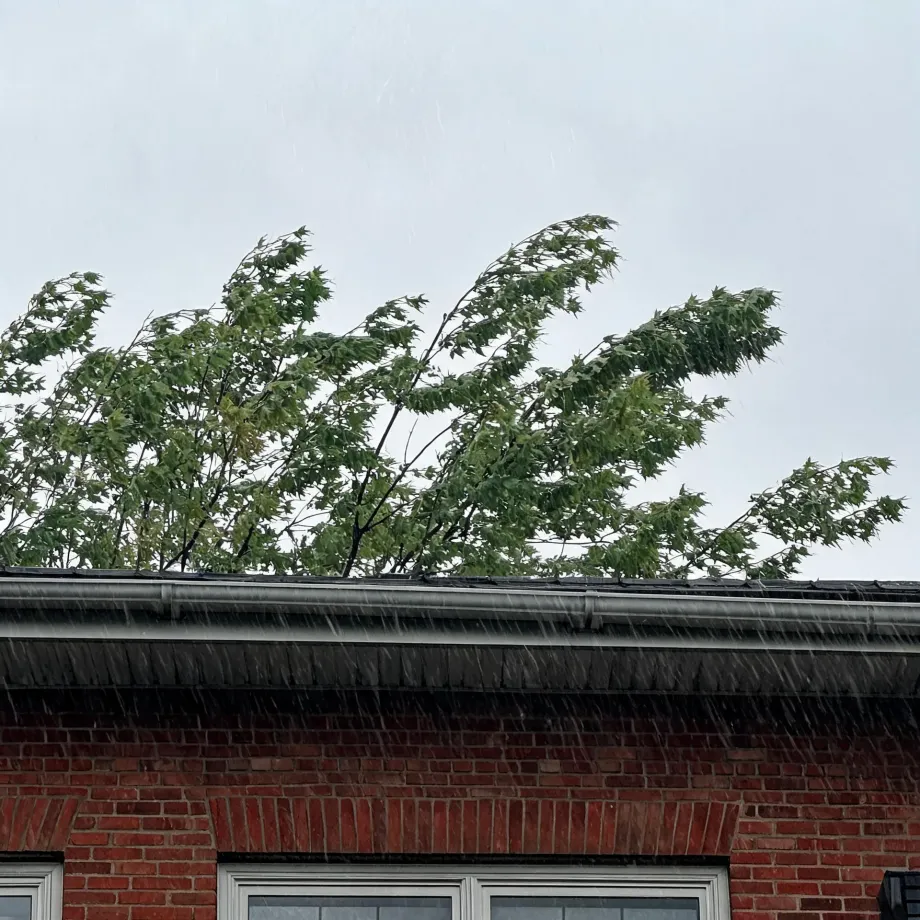
A contractor quoting a water heater installation in Clay County starts with the house, not the weather. 66 severe weather events were recorded in Clay County, West Virginia between 2015 and 2024. At that rate, severe weather is something equipment here encounters now and then, and a system that has struggled through cold snaps or a rough season is far more likely to show wear from age or a poor original install than from accumulated storm load. Sediment buildup, failing elements, and corroded connections point a contractor toward what has been asked of the unit over its life, and that is where the sizing and specification work for a new unit begins.
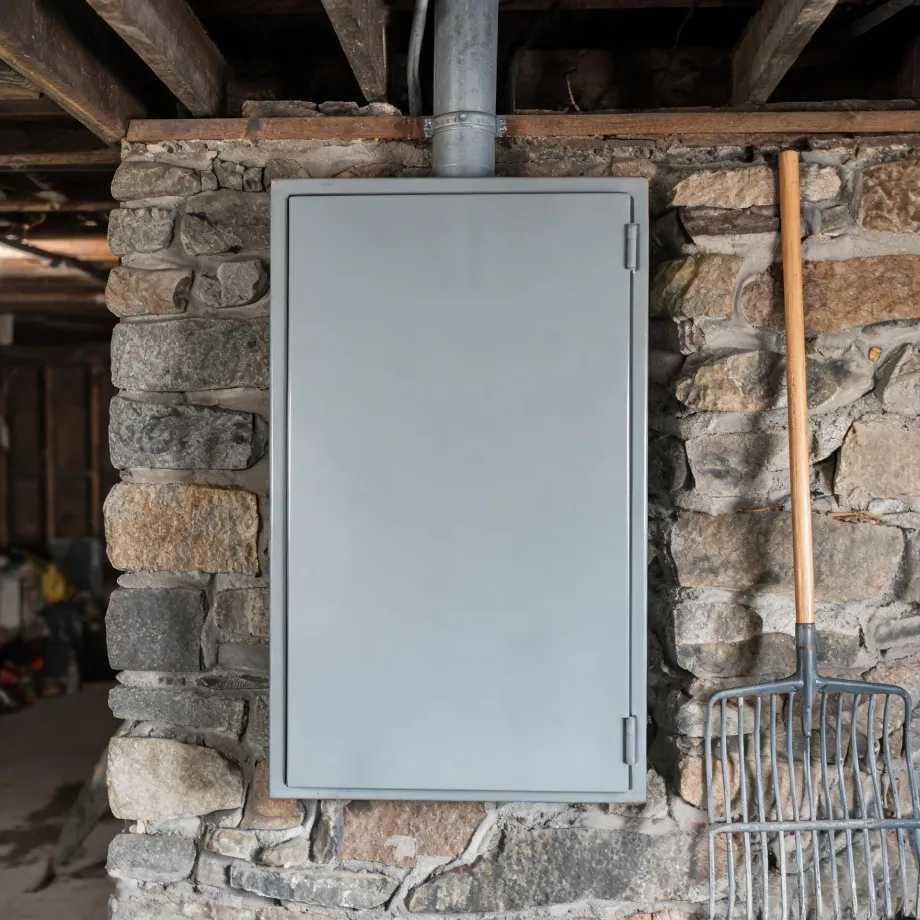
Ductwork and electrical service in a house reflect what the builder expected to run through them, and in Clay County that expectation is old. Half the homes in Clay County, West Virginia were built in 1985 or earlier (2020-2024 ACS 5-year). A contractor installing a new water heater in stock this age finds venting configurations and panel arrangements that were drawn up for units long out of production. Whether what is already in the walls carries the new equipment without modification is the question that sets the scope, and it gets answered by opening things up, not by reading the address.
What a Water Heater Installation Covers
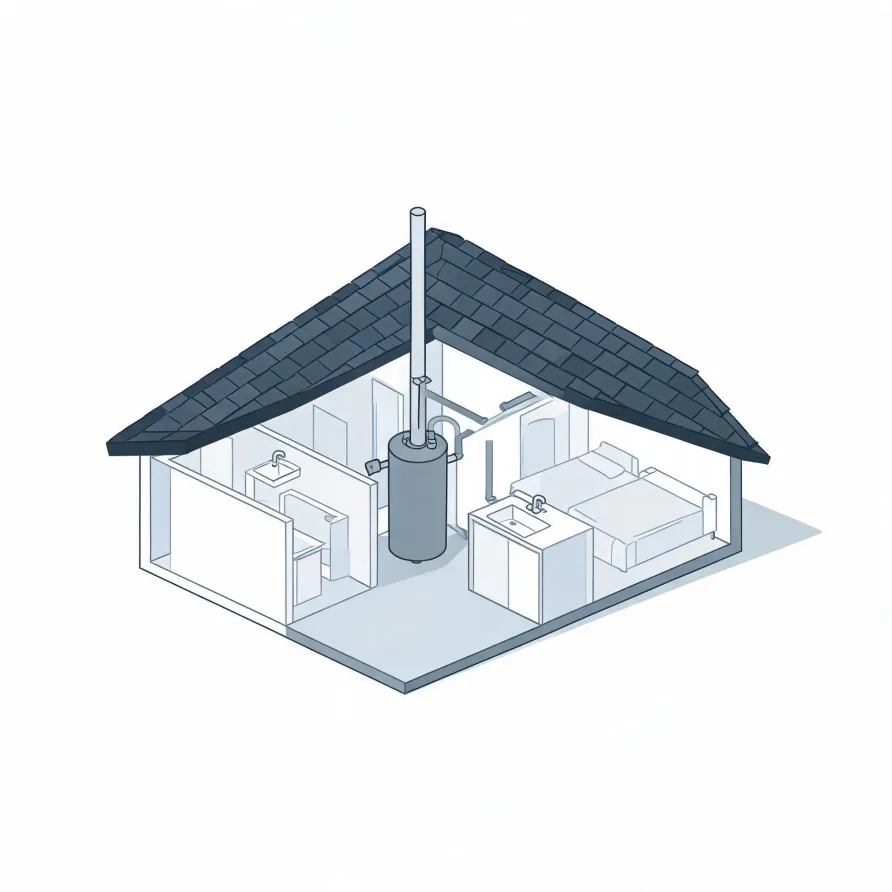
The tank or tankless unit is the heart of the system. A storage-tank model sits in a utility closet, basement, or garage and holds a reserve of heated water ready to draw from. A tankless unit mounts to a wall and heats water as it moves through.
The pressure relief valve attaches directly to the tank and releases if pressure builds past a safe point. The cold-water inlet and hot-water outlet connections tie the unit into the home's supply and distribution lines. A drain valve sits near the base, and the flue or venting pipe runs from the unit to the outside.
The drawing shows a typical layout, and a licensed contractor determines exactly what applies to your home.
Find a contractor in Clay CountyClay County by the Numbers
66 severe weather events were recorded in Clay County, West Virginia between 2015 and 2024.
NOAA National Centers for Environmental Information, Storm Events Database, bulk CSV export, events 2015-01-01 through 2024-12-31.Half the homes in Clay County, West Virginia were built in 1985 or earlier (2020-2024 ACS 5-year).
U.S. Census Bureau, 2020-2024 American Community Survey 5-Year EstimatesClay County, West Virginia holds 3,961 housing units (2020-2024 ACS 5-year).
U.S. Census Bureau, 2020-2024 American Community Survey 5-Year EstimatesOwners occupy 76.0% of the occupied homes in Clay County, West Virginia (2020-2024 ACS 5-year).
U.S. Census Bureau, 2020-2024 American Community Survey 5-Year EstimatesSevere Weather Events in Clay County
Weather puts a real load on water heating equipment, and that load varies by where you live. How often Clay County sees damaging conditions shapes how hard local equipment works and how quickly wear adds up.
66 severe weather events, 2015–2024. Source: NOAA National Centers for Environmental Information, Storm Events Database.