Tell us about the job
Takes about a minute. No obligation.
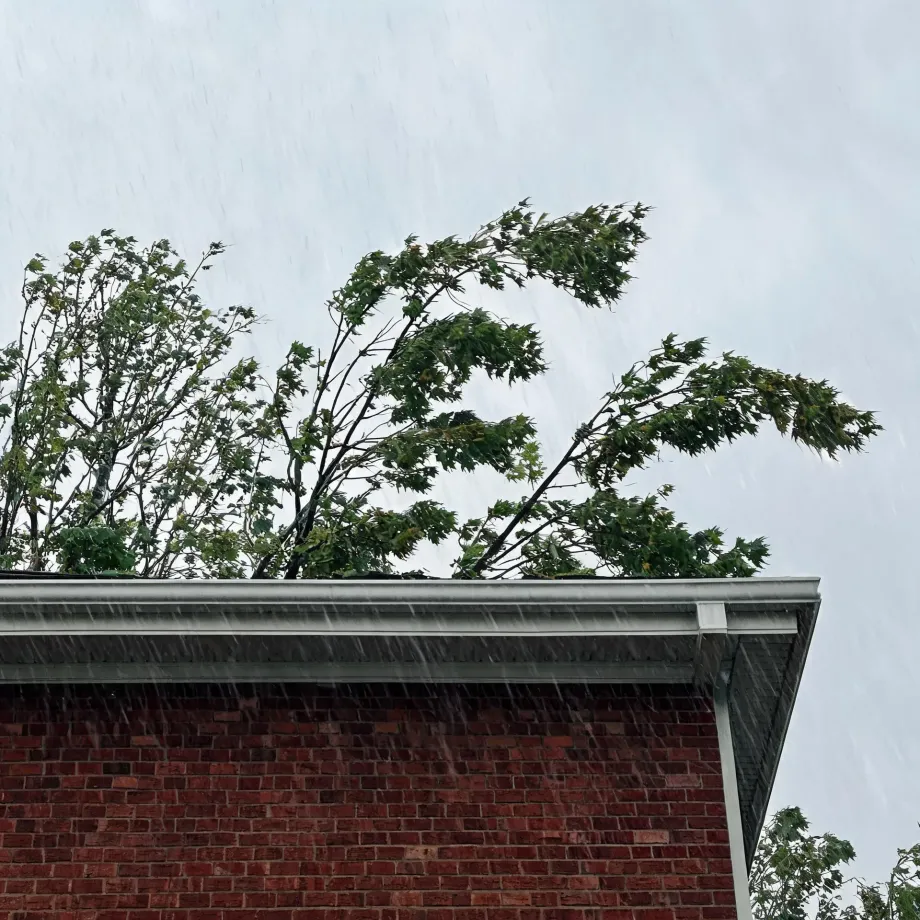
A contractor quoting a water heater installation in Brooke County has to size the unit for the house, not just pull a model from a catalog, but the local weather record is not the reason a system here tends to wear out. 51 severe weather events were recorded in Brooke County, West Virginia between 2015 and 2024. At that rate, severe weather is an event rather than a standing condition, and most water heaters in this county have not been running against an unusual environmental load. Age of the unit and quality of the original installation are what a contractor looks at first, because those are what the record here actually supports.
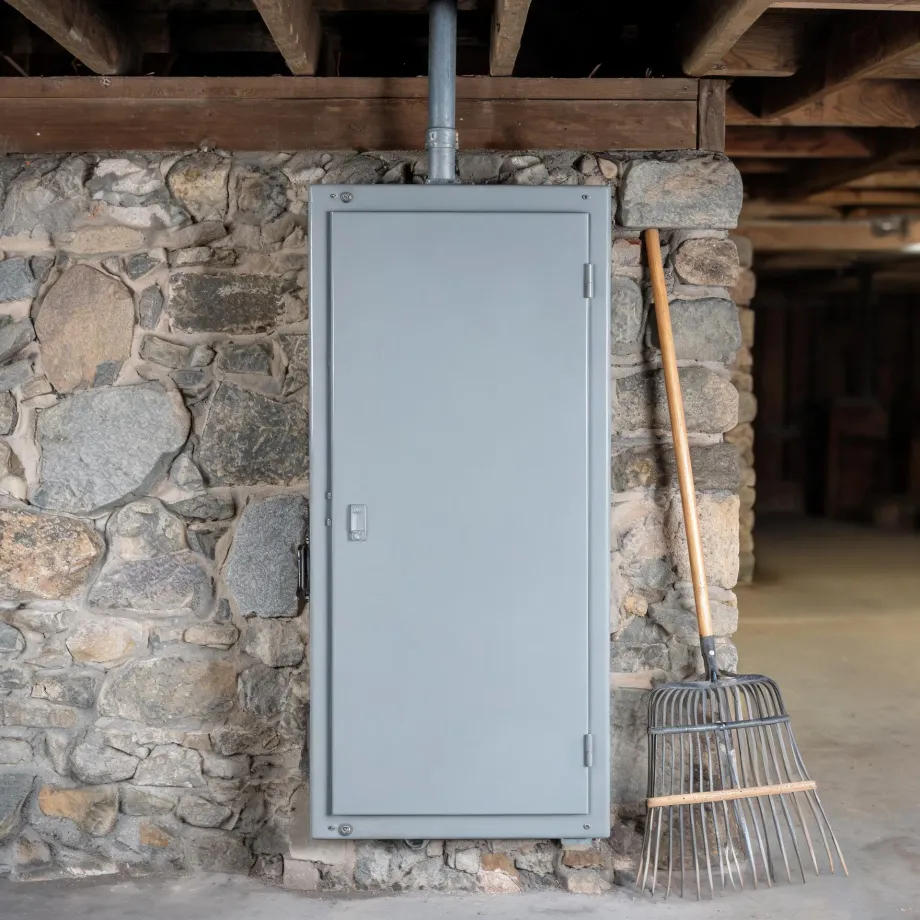
Ductwork matters less for water heater installation than it does for forced-air systems, but the electrical panel matters a great deal. Half the homes in Brooke County, West Virginia were built in 1966 or earlier (2020-2024 ACS 5-year). Houses built in that era were wired for the loads of that era, and a new electric water heater can draw more than the existing service was sized to deliver. A contractor installing one here will open the panel before anything else, because the panel is where the job either proceeds cleanly or picks up a second scope.
What a Water Heater Installation Covers
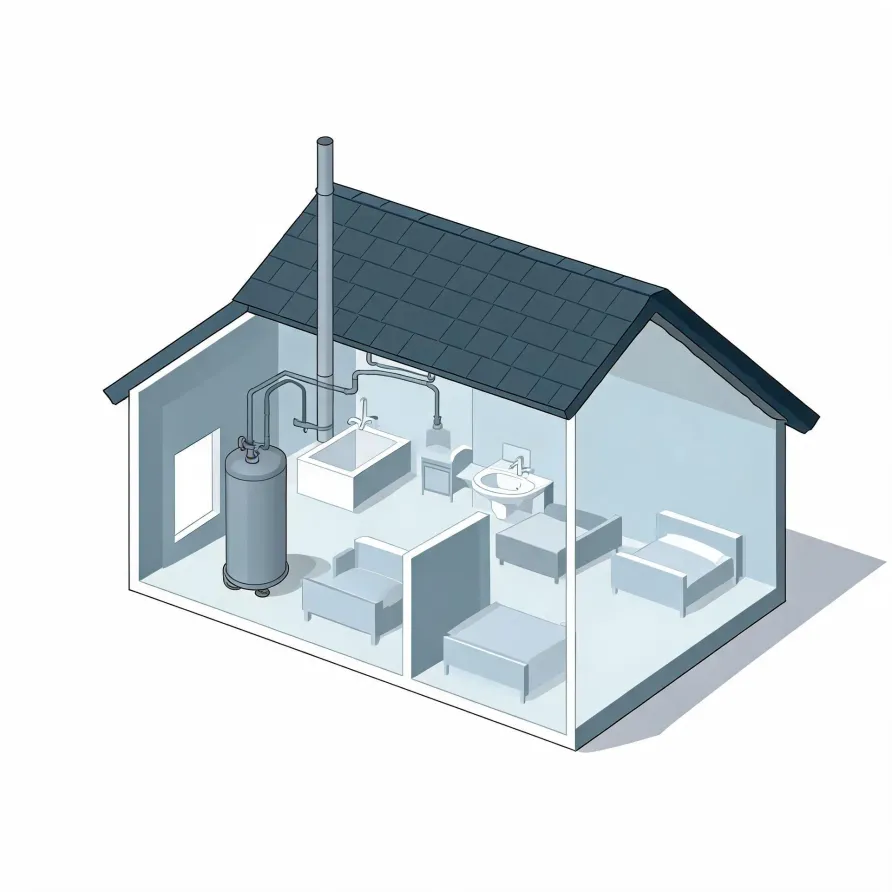
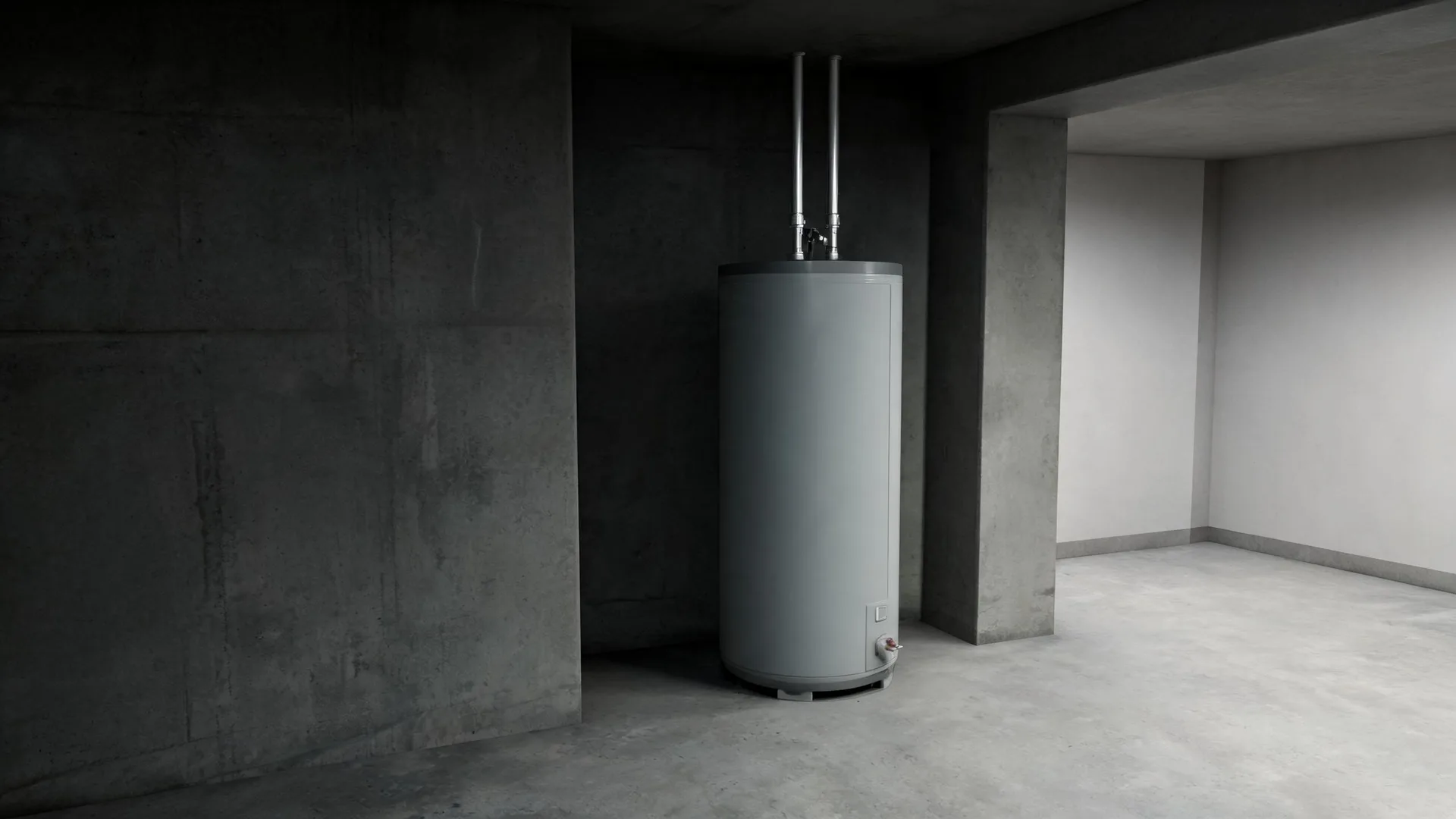
The tank or tankless unit is the piece a homeowner notices first, and it sits in a utility room, basement, or closet depending on the house. It holds or heats water on demand and connects to both the cold supply line coming in and the hot line running out to fixtures through the home.
The pressure relief valve mounts directly on the unit and opens if pressure inside climbs too high. A drain line runs from that valve to a safe discharge point nearby. The supply shutoff, the flue or venting pipe, and any expansion tank the system requires all sit close to the unit itself.
The drawing shows a typical layout, and a licensed contractor determines exactly what the installation requires in your home.
Find a contractor in Brooke CountyBrooke County, by the numbers
51 severe weather events were recorded in Brooke County, West Virginia between 2015 and 2024.
NOAA National Centers for Environmental Information, Storm Events Database, bulk CSV export, events 2015-01-01 through 2024-12-31.Half the homes in Brooke County, West Virginia were built in 1966 or earlier (2020-2024 ACS 5-year).
U.S. Census Bureau, 2020-2024 American Community Survey 5-Year EstimatesBrooke County, West Virginia holds 10,691 housing units (2020-2024 ACS 5-year).
U.S. Census Bureau, 2020-2024 American Community Survey 5-Year EstimatesOwners occupy 74.6% of the occupied homes in Brooke County, West Virginia (2020-2024 ACS 5-year).
U.S. Census Bureau, 2020-2024 American Community Survey 5-Year EstimatesSevere Weather Events in Brooke County
Extreme weather puts direct stress on water heating equipment, shortening service life and pushing systems past their rated load. How hard that pressure runs depends on local conditions, which is why installation decisions in Brooke County are not the same as they are elsewhere.
51 severe weather events, 2015–2024. Source: NOAA National Centers for Environmental Information, Storm Events Database.