Tell us about the job
Takes about a minute. No obligation.
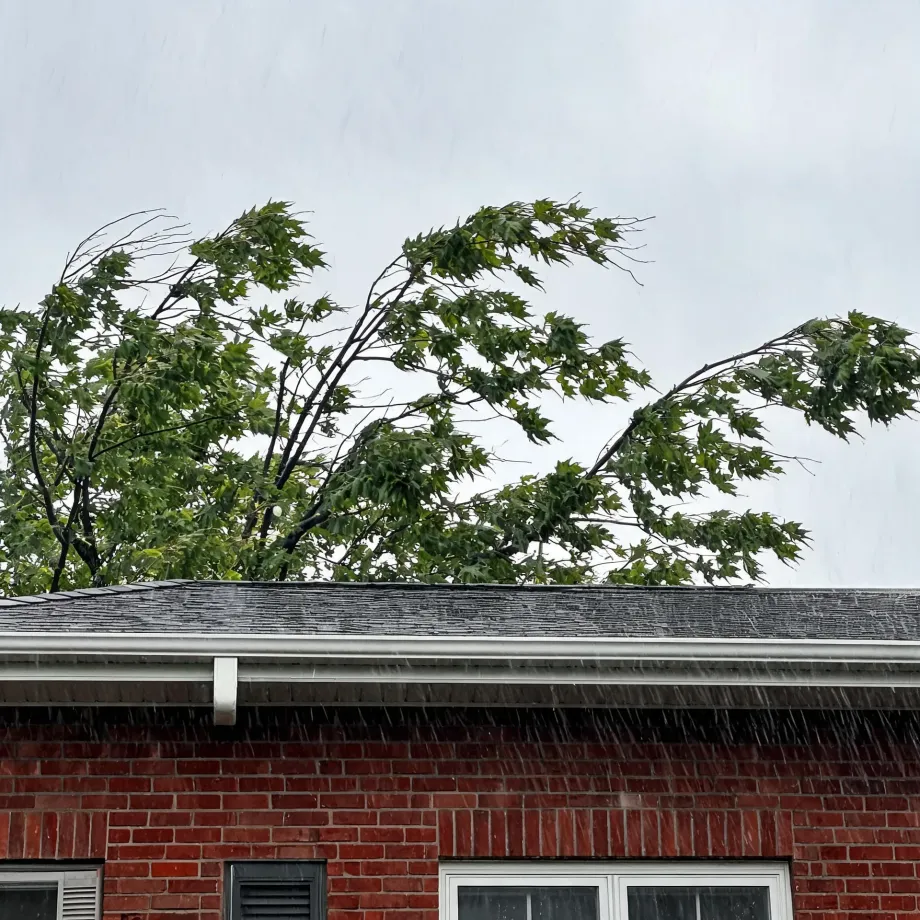
A water heater installation in Fayette County is a local question before it is a product question. The county's history of severe weather shapes what a contractor considers when sizing a unit and selecting components, because equipment installed here runs against conditions that recur with enough regularity to matter. 114 severe weather events were recorded in Fayette County, West Virginia between 2015 and 2024. A contractor who ignores that record and sizes a unit purely by household demand risks undershooting what the system will actually face over its working life.
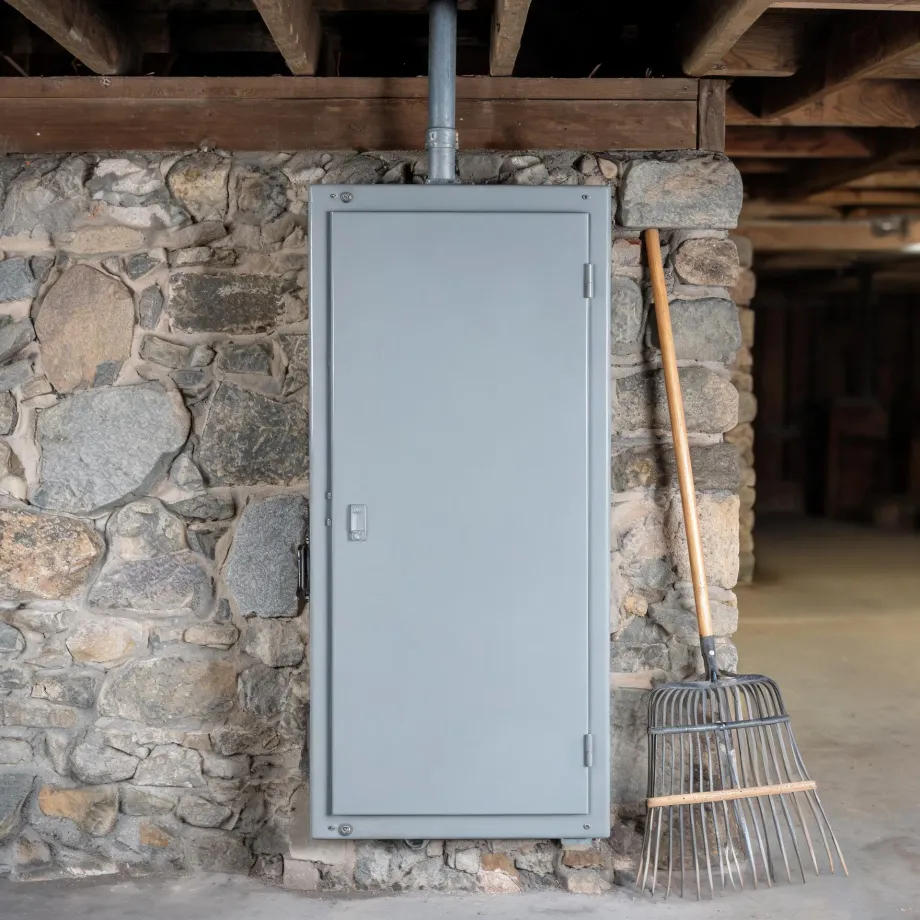
Ductwork and electrical service put into a house generations ago were sized for what existed then, and a water heater installation surfaces that gap fast. Half the homes in Fayette County, West Virginia were built in 1972 or earlier (2020-2024 ACS 5-year). A contractor coming in to install new equipment has to work out whether what is already behind the walls will carry it, and in stock this old, the answer is not assumed. Panels get checked. Runs get measured. The house tells the contractor what the job actually is before the new unit is ever set in place.
What a Water Heater Installation Covers
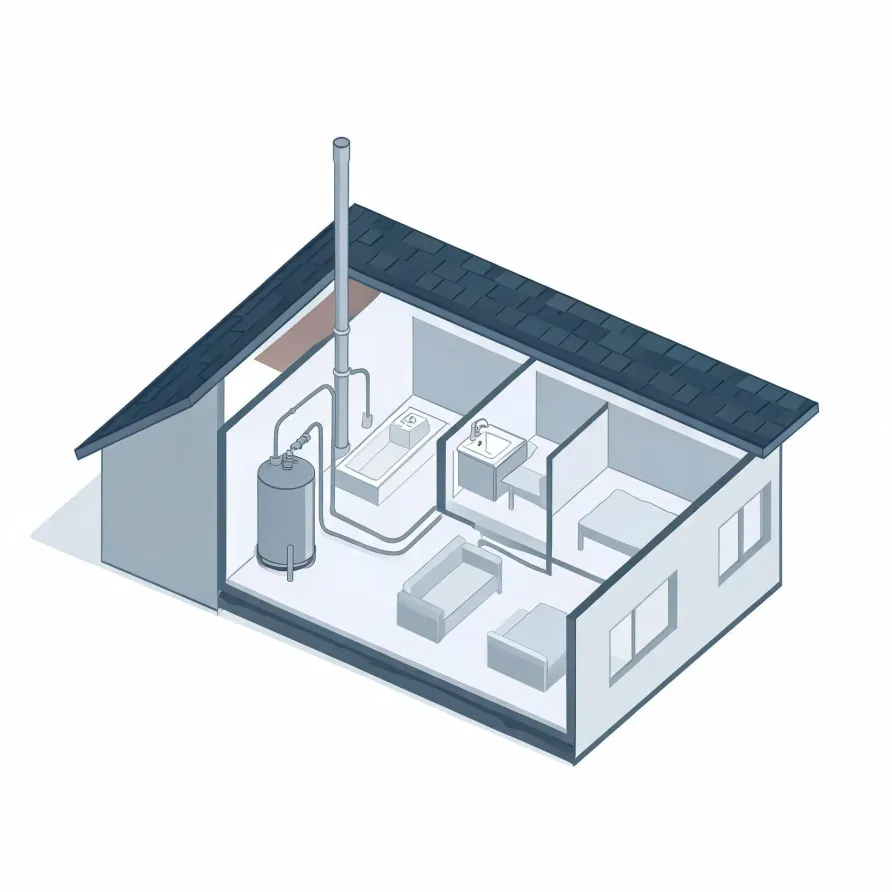
The tank or tankless unit is the centerpiece of the job, sitting in a utility room, basement, or closet and holding or heating the water your household draws on daily. A contractor also sets the temperature and pressure relief valve on the unit itself, a safety component that mounts directly to the tank.
Cold water supply lines and hot water output lines connect the unit to the rest of the house, running from the nearest plumbing stub-outs. A flue or venting pipe exits through a wall or roof to carry combustion gases out, and an isolation valve is placed on the cold inlet so the unit can be shut off without disturbing the rest of the plumbing.
The drawing shows a representative layout, and a licensed contractor determines exactly what applies to your home and its existing setup.
Find a contractor in Fayette CountyFayette County, by the numbers
114 severe weather events were recorded in Fayette County, West Virginia between 2015 and 2024.
NOAA National Centers for Environmental Information, Storm Events Database, bulk CSV export, events 2015-01-01 through 2024-12-31.Half the homes in Fayette County, West Virginia were built in 1972 or earlier (2020-2024 ACS 5-year).
U.S. Census Bureau, 2020-2024 American Community Survey 5-Year EstimatesFayette County, West Virginia holds 19,084 housing units (2020-2024 ACS 5-year).
U.S. Census Bureau, 2020-2024 American Community Survey 5-Year EstimatesOwners occupy 77.7% of the occupied homes in Fayette County, West Virginia (2020-2024 ACS 5-year).
U.S. Census Bureau, 2020-2024 American Community Survey 5-Year EstimatesSevere Weather Events in Fayette County
Storm activity puts real demand on water heaters, which work harder and wear faster when temperatures swing hard or power runs unsteady. How much of that stress a unit faces depends on where it sits, and Fayette County has its own weather record.
114 severe weather events, 2015–2024. Source: NOAA National Centers for Environmental Information, Storm Events Database.